Moksha in Hinduism Explained: The Ultimate Goal of Human…
Moksha in Hinduism Explained: The Ultimate Goal of Human Life
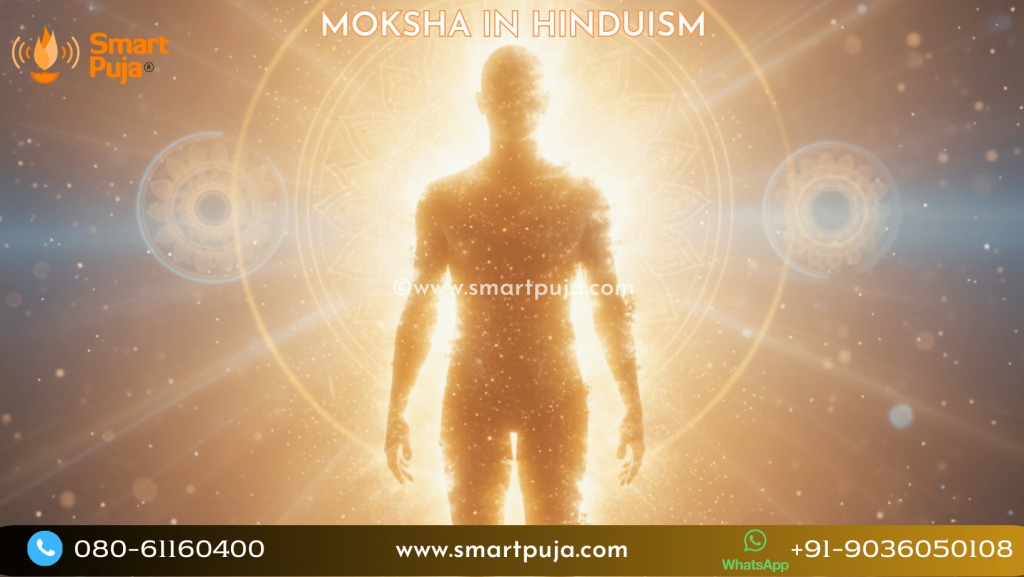
Moksha in Hinduism is the ultimate spiritual goal of human life. It represents the liberation of the soul (Atman) from the endless cycle of birth, death, and rebirth (Samsara), resulting in eternal peace and union with the Supreme Divine (Brahman).
According to Sanatana Dharma (Hinduism), human life is built upon four foundational pillars, known as the Purusharthas: Dharma (righteousness), Artha (wealth), Kama (desire), and finally, Moksha (liberation). While the first three govern how we live a balanced and ethical life on Earth, Moksha is the grand culmination of the soul’s entire cosmic journey.
But what does it actually mean to achieve Moksha? Is it the same as Heaven? And how does an ordinary person attain this ultimate state of freedom? Let us explore the profound depths of spiritual liberation in Hinduism.
The Cycle of Samsara (Birth, Death, and Rebirth)
To understand Moksha, one must first understand what the soul is being liberated from. This is the concept of Samsara.
Hinduism teaches that the soul is eternal. When the physical body perishes, the soul does not die; it simply takes on a new body, much like a person discarding old clothes for new ones. As detailed in the Garuda Purana, the soul undergoes continuous reincarnations based on its accumulated Karma.
As long as a person is trapped in Samsara, they are subject to worldly suffering, disease, grief, and illusion (Maya). Moksha is the exact moment the soul breaks this chain, realizing its true, divine nature, and never having to return to the physical realm.
Where is Moksha in Hinduism Explained in the Bhagavad Gita?
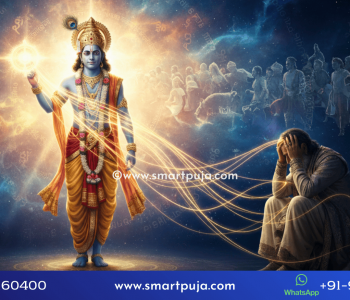
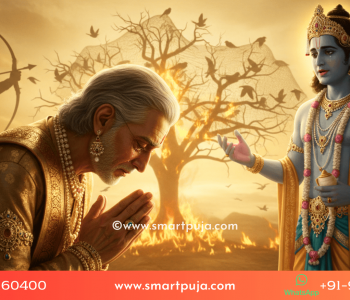
The pursuit of Moksha is the central theme of the Bhagavad Gita and the Upanishads. In the Gita (Chapter 8, Verse 16), Lord Krishna explains to Arjuna that while all worlds in the material universe—even the highest heavenly planets—are places of misery where repeated birth and death take place, one who attains the Supreme abode never takes birth again.
The Upanishads echo this heavily. The Brihadaranyaka Upanishad beautifully describes Moksha as the profound realization of “Aham Brahmasmi” (I am Brahman). It is the awakening from the illusion of individuality to the reality of universal oneness. This scriptural backing confirms that breaking free from karmic cycles leads directly to this eternal liberation.
Moksha vs. Heaven (Swarga): What’s the Difference?
A very common misconception is equating Moksha with Heaven. In Hinduism, they are completely different concepts.
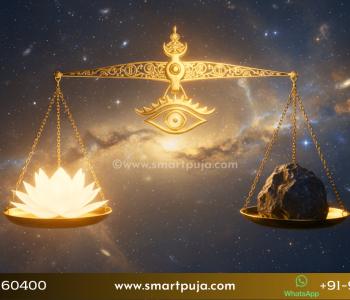
- Heaven (Swarga): Swarga is a temporary spiritual realm. If you perform good deeds (Punya), your soul goes to Swarga to enjoy heavenly pleasures. However, this acts like a cosmic bank account. Once your “good karma funds” run out, you must return to Earth and be reborn.
- Moksha: Moksha is permanent. It is the complete dissolution of the ego and the karmic ledger. A soul that achieves Moksha merges with the Divine and is completely free from the cycle of rebirth forever.
How to Achieve Moksha: The 4 Paths (Yogas)
Hinduism is highly accommodating to different human temperaments. Recognizing that not everyone is wired the same way, the scriptures outline four distinct paths, known as Yogas (meaning “union”), to achieve Moksha.
| Path of Yoga | Meaning | Best Suited For |
|---|---|---|
| 1. Karma Yoga | The Path of Selfless Action | Those who are active, dutiful, and engaged in worldly life. |
| 2. Bhakti Yoga | The Path of Supreme Devotion | Those who are highly emotional and driven by love. |
| 3. Jnana Yoga | The Path of Knowledge & Intellect | Philosophers, thinkers, and those driven by logic. |
| 4. Raja Yoga | The Path of Meditation & Mind Control | Those seeking intense mental discipline and mysticism. |
1. Karma Yoga (The Path of Action)
Karma Yoga teaches that you can attain Moksha without abandoning your daily life or family. The key is Nishkama Karma—performing your duties with absolute perfection, but remaining completely detached from the results or rewards. When you act without selfish desire, you stop generating new karma.
2. Bhakti Yoga (The Path of Devotion)
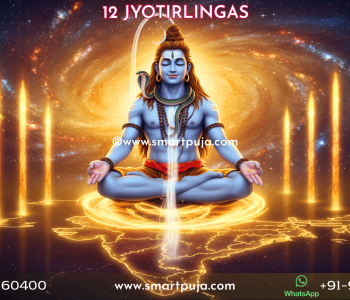
This is the most popular path in the modern age (Kali Yuga). It involves intense, pure, and unconditional love for the Divine (whether as Krishna, Shiva, Rama, or Devi). Through total surrender, the devotee’s ego dissolves. Rituals, kirtans, and worshipping the 12 Jyotirlingas are all potent tools of Bhakti Yoga.
3. Jnana Yoga (The Path of Knowledge)
Considered the most difficult path, Jnana Yoga requires piercing through the illusion of reality (Maya) using pure intellect. Practitioners constantly ask the question, “Who am I?” until they realize they are not the body, mind, or ego, but the eternal soul.
4. Raja Yoga (The Path of Meditation)
Popularized by the sage Patanjali, this path focuses on absolute control over the mind and body through rigorous meditation, breath control (Pranayama), and ethical disciplines. It requires mastering the mind to silence it completely, allowing the soul to shine through.
Unsure which path suits your horoscope?
Consult an expert Vedic astrologer to analyze your karmic chart and find your natural spiritual path.
People Also Ask: Achieving Moksha in Modern Times
Is Moksha possible in Kali Yuga?
Yes, Moksha is absolutely possible in Kali Yuga. In fact, scriptures state that because the spiritual challenges are so immense in this age, the path to liberation is simplified. Bhakti Yoga—specifically the chanting of divine names and pure devotion—is considered the fastest and most effective way to attain Moksha today.
Can householders achieve Moksha?
Absolutely. You do not need to become a monk or abandon your family. The path of Karma Yoga teaches that a householder (Grihastha) who performs their family and societal duties selflessly, without attachment to the fruits of their labor, can achieve the same liberation as an ascetic.
Does everyone eventually attain Moksha?
Yes. In Hindu philosophy, the soul is inherently divine. While it may take thousands or millions of lifetimes of learning, balancing karma, and spiritual evolution, every single soul will eventually realize its true nature and return to Brahman.
Ancestral Moksha: Why Death Rituals Matter
While individual Moksha is achieved through personal spiritual practice, Hinduism also places immense importance on helping our ancestors transition peacefully. When a person passes away, their soul relies on the living family to perform proper Antyesti (funeral) and Shradh rituals.
According to traditional beliefs, if a soul departs through an unnatural death, or if the correct Vedic rituals are omitted, the soul may experience spiritual unrest and become bound to the earthly realm. Unable to progress towards Pitru Loka, this unrest is traditionally believed to manifest in the family as Pitru Dosha.
Performing rigorous ancestral ceremonies is considered the highest form of respect and duty (Dharma) a child can perform, ensuring the departed soul breaks its earthly attachments and finds eternal peace.
Ensure Peace for Departed Souls
If your family is experiencing continuous obstacles, or you need to perform pending ancestral rites, scriptural remedies like Narayan Nagbali or Tirth Shradh are essential for granting peace to trapped souls.
Embark on Your Spiritual Journey with SmartPuja
Whether you are seeking the path of Bhakti through elaborate home pujas, or needing to perform Karma-clearing rituals for your lineage, authentic Vedic chanting is the key to spiritual harmony.
- ✔ 2000+ Verified Vedic Pandits: Masters in authentic scriptural chanting.
- ✔ All Samagri Included: We provide pure, high-quality ingredients for all rituals.
- ✔ Pan-India Availability: Services in Bangalore, Delhi, Mumbai, Pune, Chennai, and more.
⭐ 4.8/5 Rated by Devotees | 85,000+ Successful Rituals
Frequently Asked Questions
1. What is the simple meaning of Moksha?
Moksha means liberation or freedom. In Hinduism, it refers to the soul’s liberation from the endless cycle of birth, death, and rebirth (Samsara), resulting in eternal peace and union with the Divine.
2. Is Moksha the same as Heaven?
No. Heaven (Swarga) is a temporary realm of pleasure where souls go to enjoy their good karma. Once the good karma is exhausted, the soul returns to Earth. Moksha is permanent and eternal liberation.
3. What are the 4 paths to Moksha in Hinduism?
The four main paths are Karma Yoga (the path of selfless action), Bhakti Yoga (the path of devotion), Jnana Yoga (the path of knowledge and wisdom), and Raja Yoga (the path of meditation and mental control).
4. Can anyone achieve Moksha?
Yes. Hindu philosophy teaches that every soul (Atman) will eventually achieve Moksha. However, the journey may take many lifetimes of spiritual growth and karmic balancing to reach that ultimate state of realization.
5. How does Karma affect Moksha?
Karma is the bond that ties a soul to the physical world. Both good and bad karma require the soul to be reborn to experience the results. Moksha is achieved only when a person acts selflessly (Nishkama Karma), bringing their karmic balance to zero.
6. Why do Hindus perform death rituals for Moksha?
Hindus perform Antyesti and Shradh rituals to help the departed soul peacefully detach from the physical world. Proper rituals prevent the soul from becoming trapped as a ‘Preta’ and assist it on its journey towards ancestral peace and ultimate Moksha.