Devutthana Ekadashi 2026: Date, Parana Time, Vrat Katha &…

Devutthana Ekadashi 2026: Date, Parana Time, Vrat Katha & Tulsi Vivah
Devutthana Ekadashi (also known as Prabodhini Ekadashi or Dev Uthani Gyaras) is celebrated on the 11th day of the Shukla Paksha in the holy month of Kartik. The name literally means “Lord’s Awakening.” It marks the end of the four-month period of Chaturmas, during which Lord Vishnu was in *Yoga Nidra* (Cosmic Sleep).
In 2026, Devutthana Ekadashi falls on a Thursday. This day is considered highly auspicious as it marks the beginning of the Hindu wedding season. The primary ritual of this day is the Tulsi Vivah—the ceremonial marriage of the Tulsi plant (Vrinda) to Lord Shaligram.
📅 Devutthana Ekadashi 2026 Muhurat
- Vrat Date: Thursday, November 19, 2026
- Parana Time (Break Fast): Nov 20, 06:45 AM to 09:00 AM
- Hari Vasara End Time: Nov 20, 09:45 AM
⚠️ Note: Tulsi Vivah can be performed on Ekadashi evening or Dwadashi morning depending on family traditions.
Planning a Wedding or Tulsi Vivah at home?
Significance of Prabodhini Ekadashi
It is believed that Lord Vishnu wakes up on this day to listen to the prayers of his devotees. The famous Pandharpur Yatra of Lord Vithoba concludes on this day.
- End of Chaturmas: Restrictions on diet and travel observed during the rainy season end today.
- Wedding Season: Auspicious works (Mangal Karya) like marriages, housewarmings, and mundans can resume from this day.
- Sin Removal: This Vrat is said to wash away sins accumulated over a thousand lifetimes.
Devutthana Ekadashi Vrat Katha
The legend narrates how Goddess Lakshmi was unhappy because Lord Vishnu would either stay awake for years destroying demons or sleep for millions of years, ignoring the universe. She requested Him to regulate His sleep cycle.
Lord Vishnu agreed to sleep for four months annually (during the rainy season). This period became known as **Chaturmas**. He goes to sleep on *Devshayani Ekadashi* and wakes up on *Devutthana Ekadashi*.
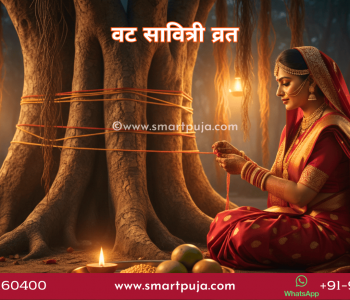
Another legend relates to **Vrinda (Tulsi)**. She was the devoted wife of the demon Jalandhara. To defeat the invincible demon, Lord Vishnu had to break her chastity by trickery. Realizing this, Vrinda cursed Vishnu to turn into a stone (Shaligram). However, seeing her devotion, Lord Vishnu blessed her that He would marry her in her plant form (Tulsi) every year on this day. Thus, **Tulsi Vivah** is celebrated to commemorate the union of purity and divinity.
How to Perform Tulsi Vivah at Home?
- Setup: Bathe the Tulsi plant and place a Shaligram stone (or Krishna idol) in the pot.
- Decoration: Drape a red cloth (Chunri) around the Tulsi plant like a bride. Decorate the Shaligram with flowers.
- Sugarcane Mandap: Create a small pavilion (Mandap) using sugarcane stalks around the pot.
- Kanyadaan: Perform a symbolic wedding ceremony. Offer bangles, sindoor, and sweets. Tie a holy thread (Mangalsutra) to the Tulsi plant.
- Aarti: Sing the Tulsi Aarti and distribute Prasad (usually tamarind, amla, and sweets).
Check the complete list of 26 Ekadashis this year in our master guide.
Frequently Asked Questions
Devutthana Ekadashi falls on Thursday, November 19, 2026.
Yes, this day marks the beginning of the auspicious wedding season in the Hindu calendar. It is considered a *Siddha Muhurat* (self-proven auspicious day).
Devotees observe a fast. If not Nirjala, they eat fruits, milk, buckwheat (kuttu), and sweet potato (shakarkandi).